Your First GP Appointment About Depression: What Actually Happens, and What You Can Ask For
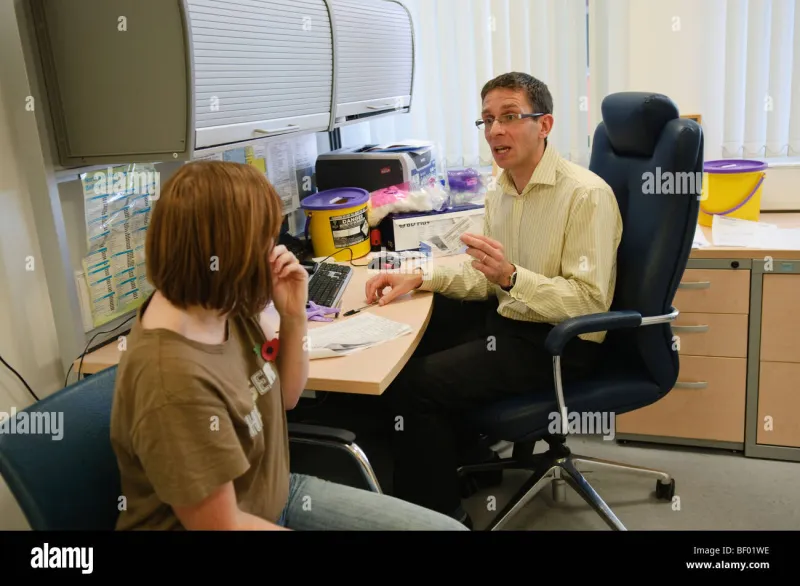
Photo: teenager talking to doctor in GP surgery consultation room UK, via c8.alamy.com
If you've been quietly wondering whether you should talk to a doctor about how you're feeling, you've probably also got a running list of reasons not to. What if they don't take you seriously? What if your mum finds out? What if you freeze and forget everything you wanted to say?
Totally normal. And mostly fixable with a bit of insider knowledge. So here's the honest, no-faff version of what seeing a GP about depression in the UK actually looks like.
First Things First: You Can Do This Alone
In the UK, young people can usually see a GP confidentially from around 16, and many practices will see younger teens on their own too — especially for mental health. GPs are allowed to treat you confidentially if they judge you able to understand the decisions involved (this is sometimes called being 'Gillick competent', though you never need to use that word yourself).
That means you can ring the surgery, book online via the NHS App, or walk in and ask at reception without a parent. If you're worried they'll insist on involving your parents, you can say upfront: 'I'd like to speak to the doctor privately.' They'll almost always make it happen.
Booking the Appointment
A few practical tips:
- Ask for a longer appointment. When you call, say it's about your mental health and you'd like a double slot if possible. Ten minutes can feel tight when you're finally saying things out loud.
- Mention it's about low mood or anxiety when booking. Receptionists see this constantly. It also helps the GP prepare.
- If mornings are hard (and with depression, they often are), ask if there are evening or weekend slots. Many practices now offer them.
What Happens in the Room
The GP will probably ask how long you've felt this way, whether you're sleeping and eating, how school or college is going, and whether you've had any thoughts of harming yourself. That last question can feel startling, but it's standard and important — answer as honestly as you can. There's no trick answer that gets you in trouble.
They might use a short questionnaire like the one on a sheet called the Mood and Feelings Questionnaire. It's not a test you can fail. It's just a way of putting numbers on feelings.
Nothing you say gets relayed to your parents without your agreement unless the doctor genuinely believes you're at serious risk of harm. That's worth knowing before you walk in.
What You're Allowed to Ask For
This is the bit most teens don't realise: you're not just there to be told what to do. Reasonable things to raise:
- A referral to CAMHS (Child and Adolescent Mental Health Services) if you're under 18, or to other NHS talking therapy services if you're 16 or 17 in many areas.
- What the waiting list is like. Waiting times vary wildly across the country. Ask what support exists while you wait — that's not being pushy, it's sensible.
- Whether therapy options exist besides CAMHS — some areas have school-based counsellors, youth charities, or online programmes the GP can point you to.
- Whether medication is on the table, what the pros and cons would be, and what would have to happen for that to be considered.
- A follow-up appointment. Ask when you should come back. Write down the date.
If You Go Blank, Cheat
Loads of people (adults included) write down what they want to say beforehand. A note on your phone with three bullet points — how long you've felt like this, your worst days look like this, what you want to ask — is completely fine to read out. GPs expect it.
If the First Appointment Doesn't Go Well
Sometimes you'll get a GP who's brilliant, and sometimes you'll get one who's a bit rushed. If you leave feeling dismissed, that's not the end of the road — you can book again and ask for a different doctor. You can also bring an adult you trust to advocate for you if a second attempt feels daunting.
The first step is genuinely the scariest one. After that, it's a system with names, forms, and waiting rooms — not a cliff edge. You've got this.