Sad Isn't the Same as Depressed — and Other Things We Get Wrong About Teen Mental Health

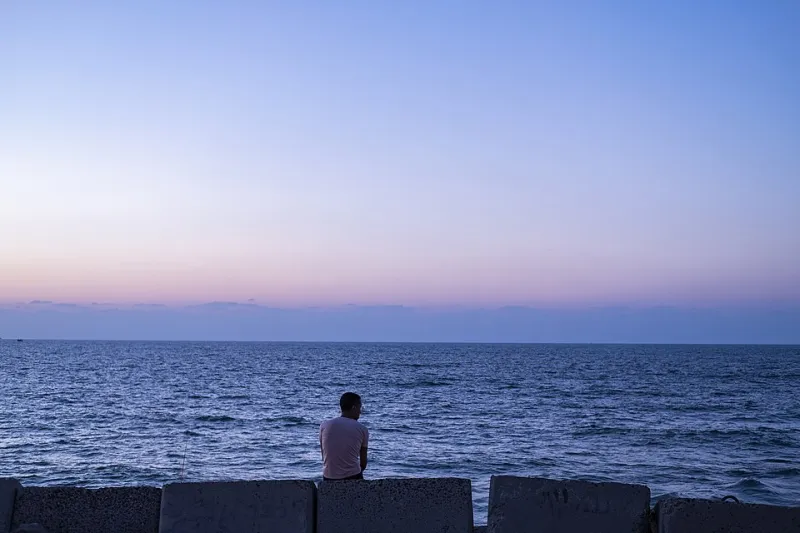
Photo by Photo by Richard Stachmann on Unsplash on Unsplash
There's a strange double standard when it comes to teen depression in the UK. On one hand, people say teenagers are 'too sensitive' and that everyone feels down at 15. On the other, the moment a teen admits they're struggling, suddenly it's a Serious Diagnosis and everyone panics. Both extremes are wrong — and both make it harder to see what's actually going on.
So let's clear some things up. Not to turn every bad day into a crisis, but because knowing what depression genuinely looks like is how you spot it — in yourself, or in your mate.
Sadness and depression aren't the same animal
Sadness is a feeling. Depression is closer to a fog that settles over everything — including the stuff that's supposed to be good. You can be sad about failing a maths mock and still laugh at a TikTok an hour later. Depression doesn't work like that. Things you used to enjoy — football, gaming, seeing your mates — just stop landing. It's less 'I feel sad' and more 'I feel nothing much at all.'
That distinction matters. If we treat every rough patch as depression, we cheapen the word. If we treat depression as 'just sadness', we tell struggling teens to get over something they can't simply get over.
It's not attention-seeking — but even if it were, so what?
The 'they're just doing it for attention' line gets thrown around a lot. Two problems with that. First, most teens with depression go to great lengths to hide it — the 'I'm fine' reflex is practically a national sport. Second, and more importantly: if someone is behaving in a way that gets attention because they need help, the attention is kind of the point. You don't ignore someone waving for help in a swimming pool because they're 'making a scene'.
It's not a life sentence either
The other extreme is just as unhelpful: the idea that a depression diagnosis means something is permanently broken. It doesn't. Depression is treatable — through talking therapies, sometimes medication, lifestyle changes, or a mix. Plenty of people who had depression as teenagers are, years later, just people. GPs, school counsellors, services like CAMHS — these exist because things genuinely can get better. Recovery isn't guaranteed or instant, but it's realistic, not a fairy tale.
It's not a personality flaw or laziness
Depression gets mistaken for laziness a lot — unwashed uniform, missed deadlines, cancelled plans. From the outside it can look like a teen has simply stopped trying. From the inside, everyday tasks take the effort of wading through treacle. That's not a character defect; it's a symptom. And it's not something a teen chose or can simply reverse with a bit of positivity and an early night.
But not every bad week is depression
Here's the bit people worry about saying: normal teenage emotions are allowed to be normal. Being gutted after a breakup, stressed before GCSEs, fed up during a dreary February — that's life, not illness. You don't need a diagnosis to be having a hard time, and hard times pass.
The rough rule of thumb: think about intensity, duration, and spread. Is it severe? Has it lasted weeks rather than days? Is it bleeding into sleep, appetite, school, friendships? If yes to most of those, it's worth talking to someone — a GP, a parent, a teacher, or Samaritan's free line on 116 123.
Why the myths matter
Every myth does damage. 'It's just a phase' makes teens wait longer to ask for help. 'It's attention-seeking' makes them hide it. 'It's forever' makes them give up before they start. Getting this stuff right isn't about labelling more teenagers — it's about making sure the ones who need support get it, and the ones who are just having a rubbish week know that's okay too.
Depression is real, common, and treatable. Sadness is real, common, and usually passes. Knowing the difference is one of the most useful mental health skills anyone — teen, parent, or teacher — can have.