The Sibling in the Shadow: Five Things Brothers and Sisters of Depressed Teens Wish You Knew

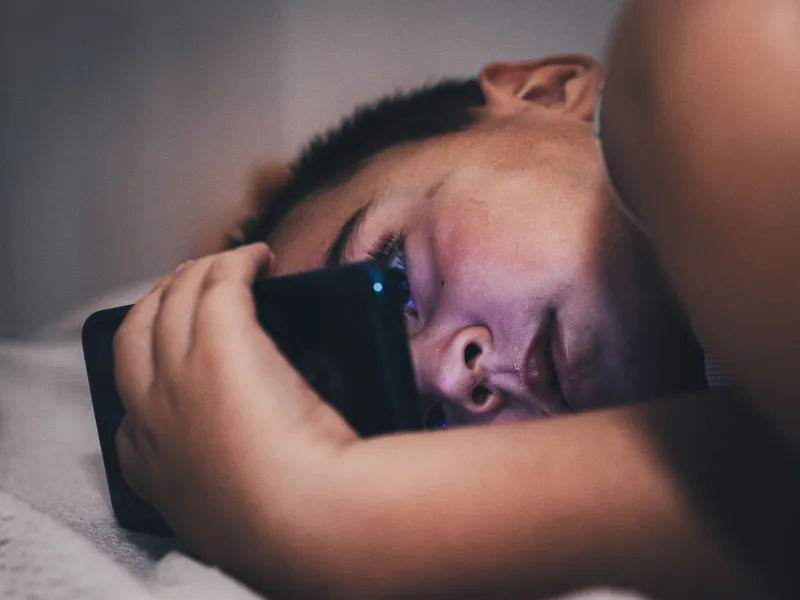
Photo: teenage siblings sitting together supportive, via st3.depositphotos.com
We love them – and we're allowed to be angry
Let's get one thing straight: we love our brother or sister. We'd do anything for them. But living with a depressed sibling is exhausting. And sometimes we feel angry – angry that they get all the attention, angry that we have to tiptoe around their moods, angry that our own problems seem to matter less. That anger doesn't make us bad people. It makes us human. Please don't make us feel guilty for it. Let us say 'it's not fair' without rushing to remind us that they're suffering too. We know. We just need to be allowed to feel what we feel.
We feel invisible – check in on us too
When you're the 'well' sibling, you become very good at being fine. You get on with your homework, you don't cause trouble, you say 'I'm alright' when you're not. But we need you to ask twice. We need you to notice when we go quiet, when we lose interest in things, when our grades slip. We're not asking for the same level of worry – we know our sibling needs more right now. We just want to know that you see us. A five-minute chat, a hug, a note under our door. Small things that say: you matter too.
We need age-appropriate honesty, not secrets
Children are observant. We know when something is wrong, even if you haven't told us. The problem is, when you keep secrets, we fill the gaps with our own explanations – and they're usually worse than the truth. Tell us what's going on in a way we can understand. 'Your sister has an illness called depression. It makes her feel very sad and tired, and sometimes she needs extra help. It's not your fault, and it's not something you can catch.' That kind of honesty builds trust. It helps us make sense of the changes. And it stops us from blaming ourselves.
Protect one-to-one time without making it a competition
We miss you. We miss the version of you that wasn't always managing a crisis. And we feel guilty for wanting you to ourselves. So please, protect time for just us – a regular walk, a film night, a coffee after school. It doesn't have to be big or expensive. It just has to be ours. And please don't frame it as 'making up for' the other stuff. That makes us feel like a box you're ticking. Frame it as: 'I want to spend time with you because I love you.' That's all we need.
We carry guilt for being okay – and we need permission to have our own lives
Here's the thing nobody talks about: we feel guilty for being well. We feel guilty for going out with friends, for laughing, for achieving things. We worry that our happiness is a betrayal. And sometimes we hold ourselves back because it doesn't seem fair. Please tell us it's okay to live our lives. Tell us that our success doesn't diminish our sibling's struggle. Tell us that we're allowed to be happy – and that our happiness is not a threat. That permission is a gift.
What parents can do
Check in regularly – not just about your depressed teen, but about us. Ask us how we're feeling, and listen without trying to fix it. Give us age-appropriate information, and be honest about what you don't know. Protect one-to-one time, and make it about connection, not compensation. And when we do feel angry or resentful, don't shame us – let us talk. You can also look into support for siblings: some areas run young carers groups, and family therapy can help everyone have a voice. The charity Rethink Mental Illness has resources for families. And if you're worried about our mental health, don't wait – talk to our GP or school.
The bottom line
Depression is a family illness. It affects everyone in the house, not just the person diagnosed. And the well sibling is not a side character – they're part of the story. They need love, attention, and permission to be human. If you can do that, you'll help them feel less alone. And that matters more than you know.